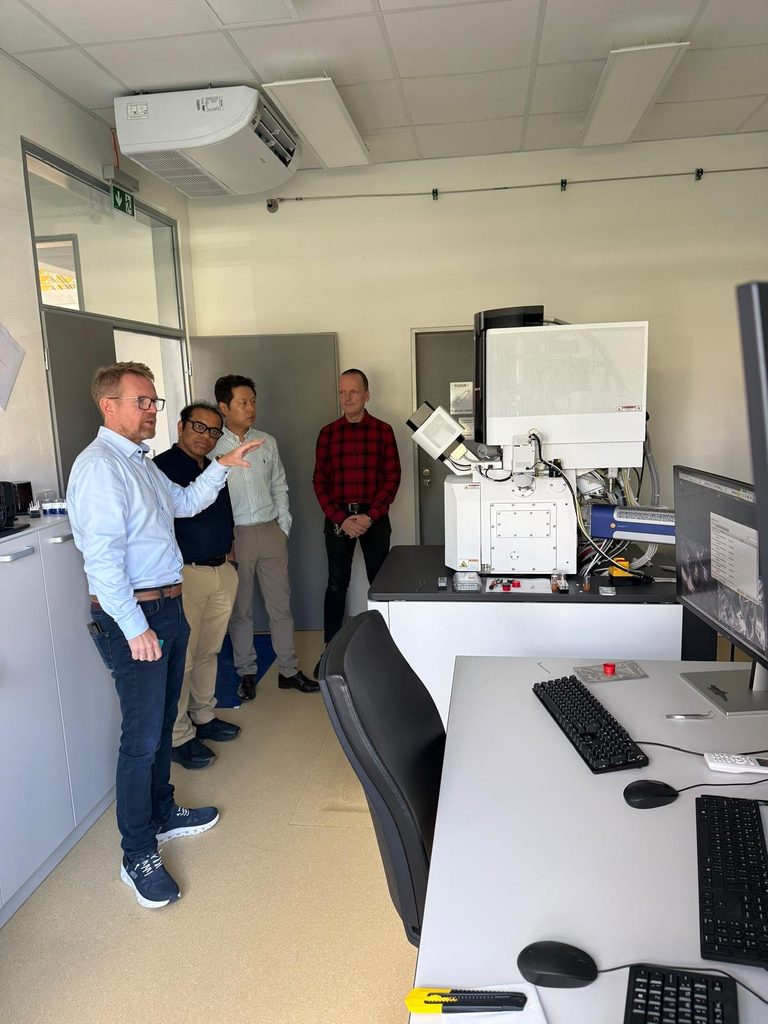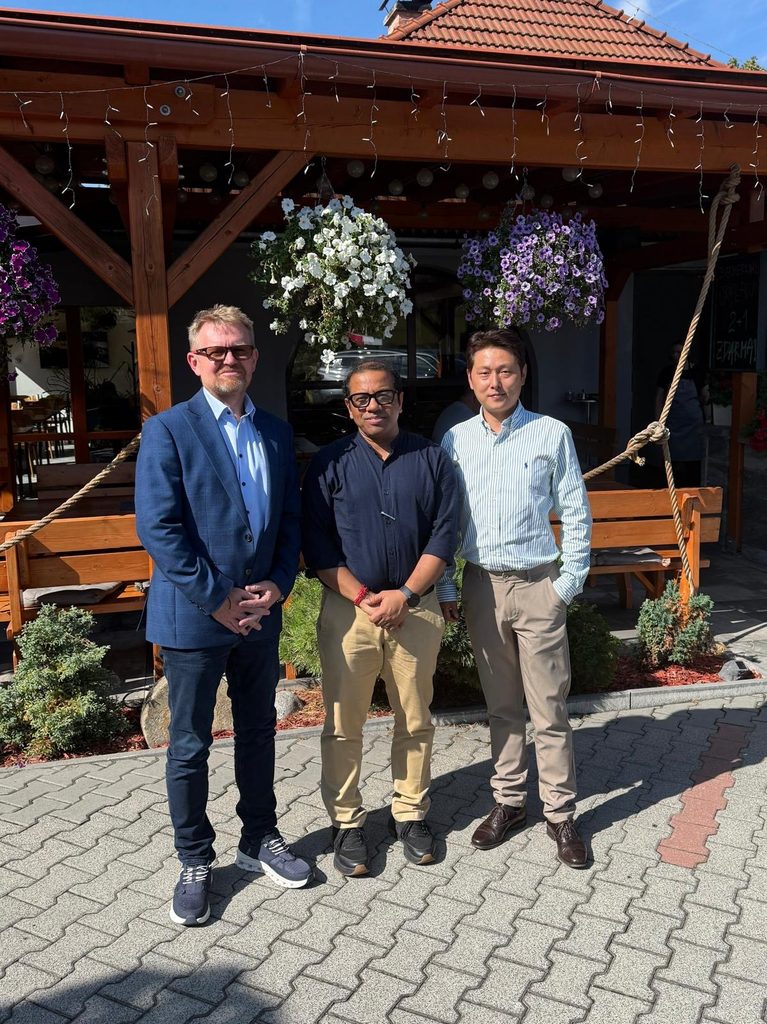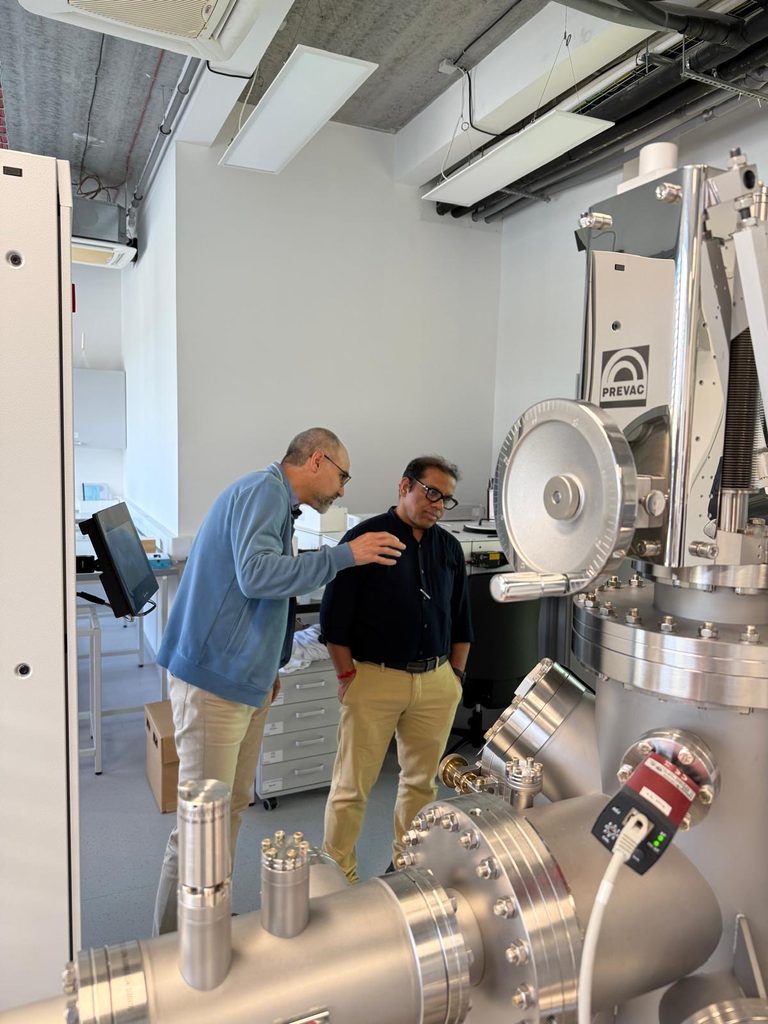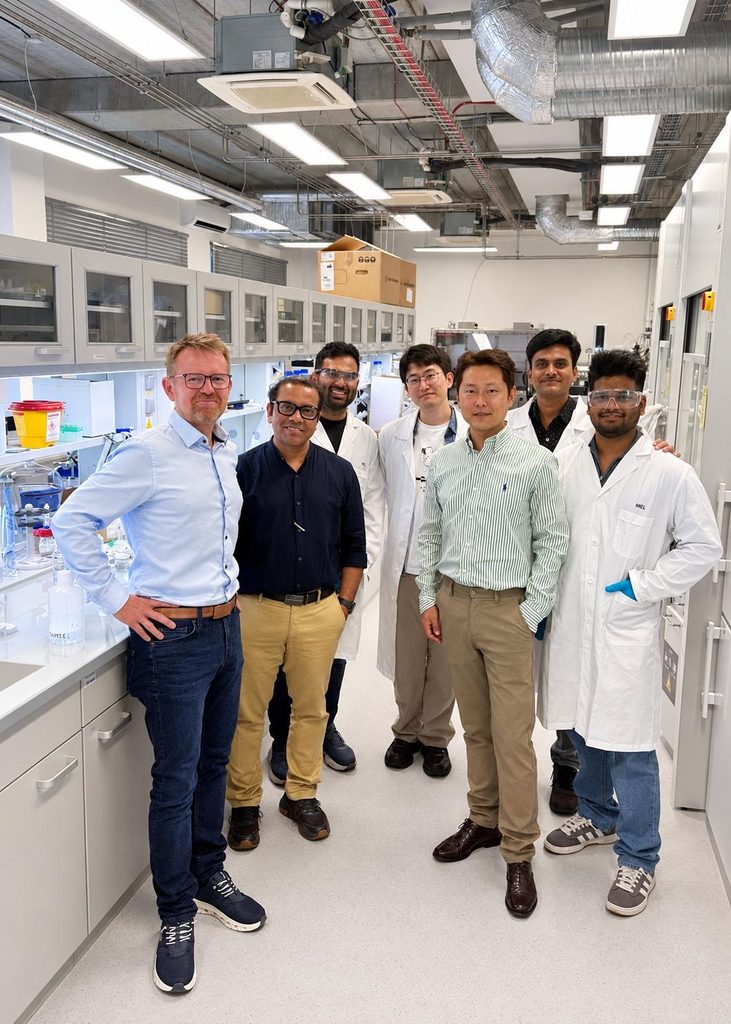
Professor Tapas Kumar Maji from the Jawaharlal Nehru Centre for Advanced Scientific Research (JNCASR) in Bangalore, India, an internationally recognized expert in metal-organic frameworks and their applications, particularly in electrocatalysis and photocatalysis, visited the Materials-Envi Lab (MEL) at the Center for Energy and Environmental Technologies at VŠB-TUO. He made arrangements with local colleagues for collaboration in several areas.
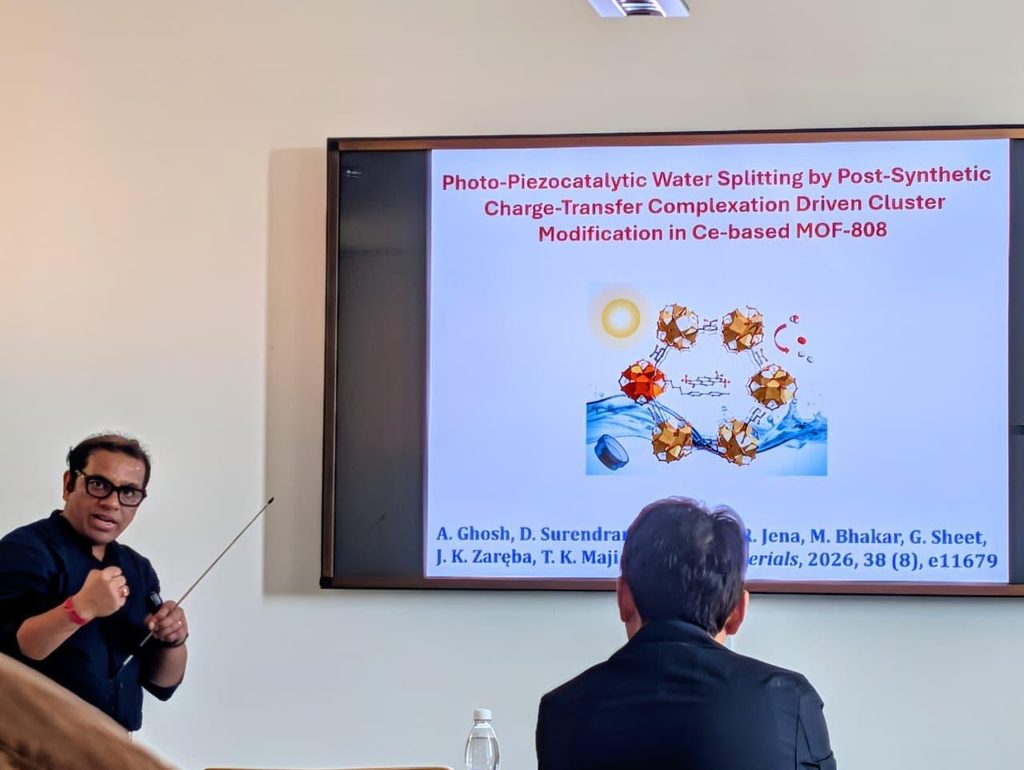
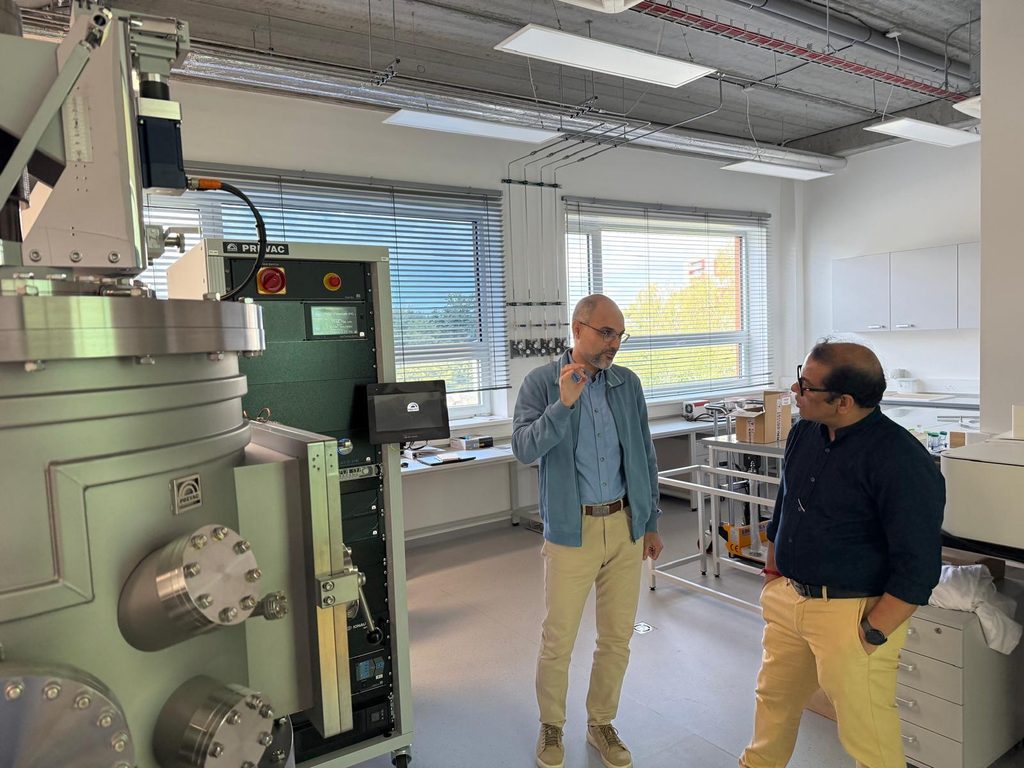
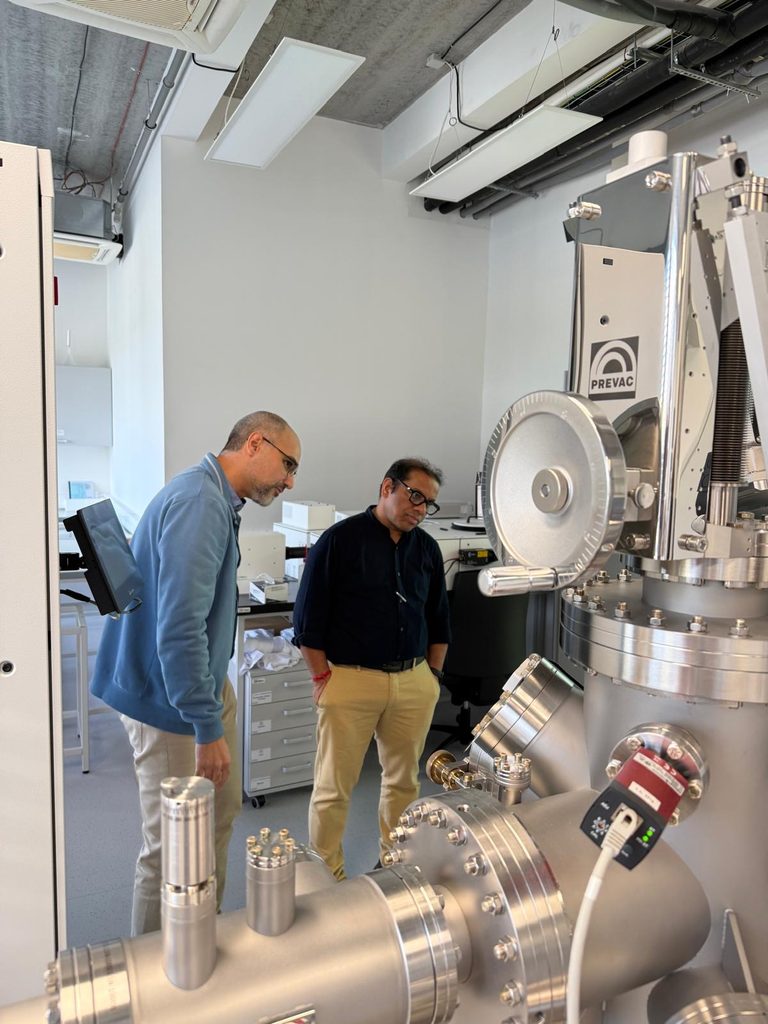
During his visit to VŠB-TUO, the international guest delivered a lecture titled “Developing Catalysts by Post-Synthetic Modification of Metal-Organic Frameworks for Energy Conversion.” He also toured the MEL laboratories and praised their state-of-the-art equipment. He quickly found common ground with local researchers, leading to an agreement to collaborate in several areas. MEL researchers Rohan Jena and Faruk Rahimi had previously worked in his research team.
“We want to utilize certain unique porous systems based on metal-organic frameworks with anchored metal atoms for thermal catalysis. Professor Maji, in turn, is interested in using magnetron sputtering to prepare conductive films for electrocatalytic applications. He has also expressed great interest in detailed structural analysis of materials using electron microscopy and operando techniques, particularly electron paramagnetic resonance,” said Head of MEL Radek Zbořil, outlining some of the areas of planned collaboration.
A leading Indian expert on porous materials and metal-organic frameworks (MOFs) for energy and environmental applications, Professor Maji earned a master’s degree in inorganic chemistry from Burdwan University in 1997 and a Ph.D. from the Indian Association for the Cultivation of Science in 2002. He is among the most renowned researchers in his field. In 2019, he received the Shanti Swarup Bhatnagar Prize for Chemical Sciences, one of India’s most prestigious scientific awards. He is also a Fellow of the Royal Society of Chemistry and the Indian Academy of Sciences, and in 2025 he was elected a member of The World Academy of Sciences (TWAS). His H-index stands at 73.